Forseti confirms, at the moment of pickup, that the truck taking your freight is operating under the carrier you actually hired — anchored to a cryptographic tag on the vehicle and the carrier's insurance record, not to documents a fraudster can forge.
Market figures from publicly reported industry sources; available on request · Verisk CargoNet · Overhaul · industry estimates
The industry has invested heavily in carrier vetting — and fraud has grown anyway. Every check verifies a representation of the truck: information produced or controlled by whoever claims to be the carrier. Dedicated fraudsters have industrialized against exactly that — because information can always be counterfeited.
A tamper-evident cryptographic tag is physically bonded to each insurance-verified truck. Nothing in the verification chain — not the record, not the anchor — is under the control of the party being verified.
Forseti runs alongside — and does not replace — the check-in you already do. One service visit per truck, then a single tap at every pickup.
# per truck — done once truck → declare_vin() # carrier declares equipment → verify_vs_insurance() # insurance record, not a profile → bond_tag() # tamper-evident · peel-detected # per load — every time load → declare_vin() # rides on existing load data → tap_at_pickup() # facility tag + truck tag → cleared / not_cleared # match → load · else → held
Every attack that beats paperwork runs into a physical object bonded to a source of truth the fraudster can't reach.
The tag answers a cryptographic challenge on every tap. There is no document, image, or number a fraudster can counterfeit to pass.
Peel detection revokes the tag the moment it leaves the vehicle it was bonded to. A tag cannot be moved to a different truck.
Tags issue only against the carrier's insurance record — a source of truth the carrier itself cannot edit and an impostor cannot reach.
An untagged or mismatched truck is never silently cleared. It is held, both you and the facility are alerted, and a human decides.
Documented diligence on every load. Courts now weigh a broker's carrier-selection process load by load.
Identity theft defeated at the dock. Stolen credentials pass paperwork checks; they cannot produce a tagged, insurance-verified truck.
Offer verified pickups as a standard of service competitors checking documents cannot match.
No setup cost, no integration fees, no commitment. You pay only when a pickup is verified — a rounding error against a single six-figure stolen load, on every shipment it protects.
You pay only when a pickup is verified. Nothing before that.
No. Forseti runs alongside — and does not replace — existing check-in and gate procedures. It verifies the truck-to-carrier link at pickup; driver credential checks remain with existing facility procedures.
The carrier declares its VINs; each is confirmed on the carrier's insurance record — a source outside the carrier's own editable profile — before a tamper-evident tag is bonded to the truck. It's done once, then the truck is verified for every load that follows. A stolen identity can declare a truck; it cannot insure one.
No tag, or no match, and the load is marked not cleared — you and the facility staff are both notified instantly, and the freight is held for manual review before it moves. The system fails closed. A fraudster cannot win by avoiding it.
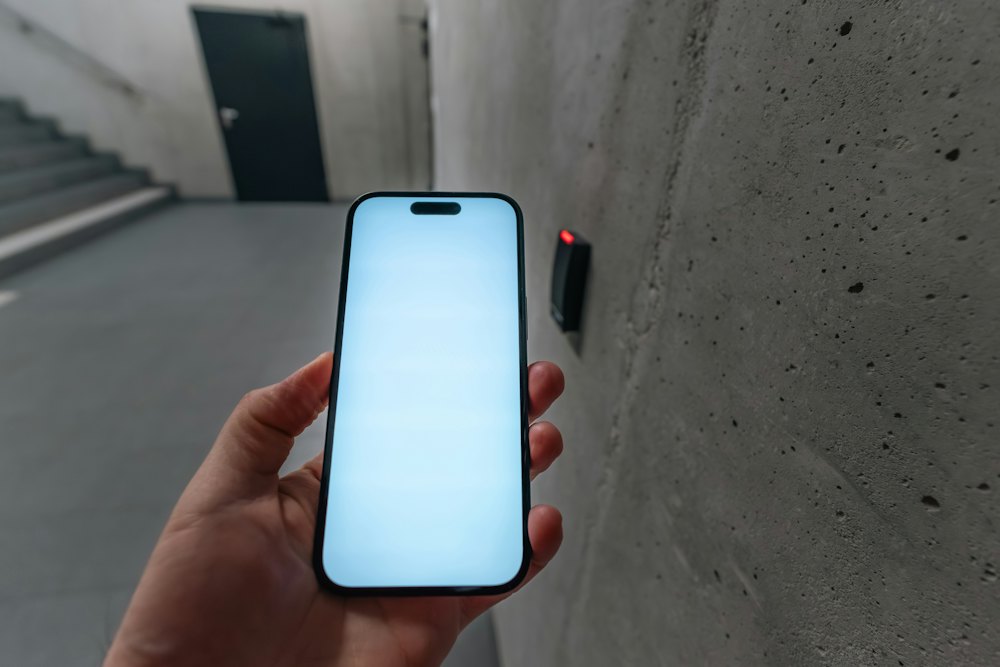
No. One service visit per truck — no per-load steps, no app hoops, no data-sharing consents, and no telematics feed. Verify once, haul forever. At the dock, the driver's phone does the work against a tag on the wall.
Per verified load. No setup cost, no integration fees, no commitment — you pay only when a pickup is verified. It's a rounding error against a single six-figure stolen load, on every shipment it protects.
Forseti launches region by region, concentrating tagged capacity where our partner brokers run volume — so verification density builds fast where it protects you first. Ask us about bringing your highest-risk lanes into the first wave.