Live on oncology-pharma freight · 9,000+ verified pickupsBook a demo
Case study
9,000 verified pickups on oncology-pharma freight
Fifty facilities, thirty-two carriers, and an average of thirty seconds added to a collection. What a year of verifying the vehicle instead of the paperwork looks like.
Case study5 min readUpdated October 2026
Swap: article image
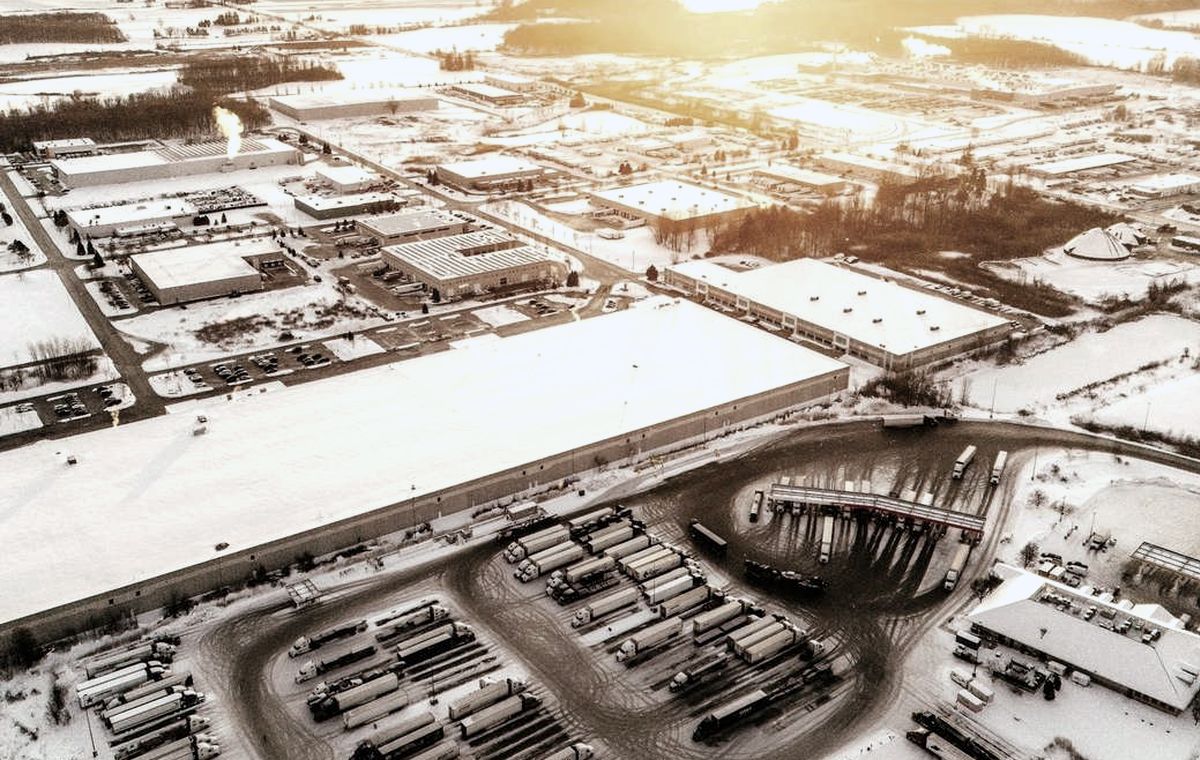
A US oncology distributor moves controlled product out of fifty facilities,
collected by thirty-two different carriers rather than one dedicated fleet. Before Stower, a
pickup was confirmed the way most pickups are: a booking, a driver at the gate with a pickup
number, a licence check and a signature.
What the numbers look like
50 facilities shipping on Stower.
32 carriers onboarded, none of whom pay anything to take part.
5 minutes to set up a tag on a tractor or a trailer, once, including the filmed
application and the reviewer's approval.
30 seconds added to a collection on average — against a stated ceiling of two
minutes.
9,000+ collections verified since launch.
What the gate captured before, and what it captures now.
Zero mismatches, and why that is the honest headline
Across more than nine thousand collections, no mismatch has been found. No vehicle has
turned up that was not the one booked, and no tag has failed its check at the dock.
It would be easy to dress that up as attacks prevented. It is not that. What it says is
narrower and more useful: across a year of real freight, every truck that collected was the truck
that was supposed to, and that is now a matter of record rather than an assumption. The control
has not yet had to stop anything. The point of it is that if it ever does, the load is still on
the dock when it happens.
What this is not
No loss has been prevented, because none was attempted
Nothing here should be read as Stower having blocked a theft at this operation. It has not.
The claim is that the vehicle at the dock is now verified and recorded on every collection,
which was not true before.
What changed at the gate
A fixed tag at each dock, installed once and scanned by every driver on every
collection.
A tag on each tractor and trailer, applied across the edge of the federal
certification label on camera, and approved by a reviewer before it worked.
One timed check at collection — location, tractor, trailer — matched
against the booking before loading.
Gate staff do nothing new. The driver does the scanning on their own phone.
app.stower.ai/pickups/SH-48217
SH-48217
Dock 7 · Illustrative data
Verified
Carrier
Carrier 04
matches tender
Tractor
1FUJGLD···8821
tag on label
Trailer
TN·4471
tag on label
Location
Dock 7 fixed tag
scanned on site
Arrived11:40:52
Verified11:42:06
Departed12:06:18
app.stower.ai/exceptions
Exceptions
Caught at the gate, before the load moved
3 open
SH-48210Tractor tag registered to another carrier · Memphis DCHeld
SH-48196Trailer tag does not match the sealed trailer · Dock 3Held
SH-48184Location tag not scanned inside the window · Dock 7Review
SH-48171Arrived one day early for a scheduled pickup · Dock 1Cleared
SH-48160Driver phone lost signal mid-check, re-scanned · Dock 7Cleared
The two screens the shipper works from: a verified collection, and the queue of anything held at the gate.
What it cost the carriers
Nothing per scan, nothing per vehicle, and no subscription. The only real cost to a carrier is
the five minutes per tractor or trailer at setup, and thirty seconds per collection after that.
Thirty-two carriers onboarded on those terms.
Has the record been tested?
Not yet. The verification record has not been used in a claim, an audit or a dispute at this
operation, because none has arisen. That is worth saying plainly rather than implying otherwise:
the record exists and is complete for every collection, but it has not been put in front of an
adjuster or a regulator.
 Swap: article image